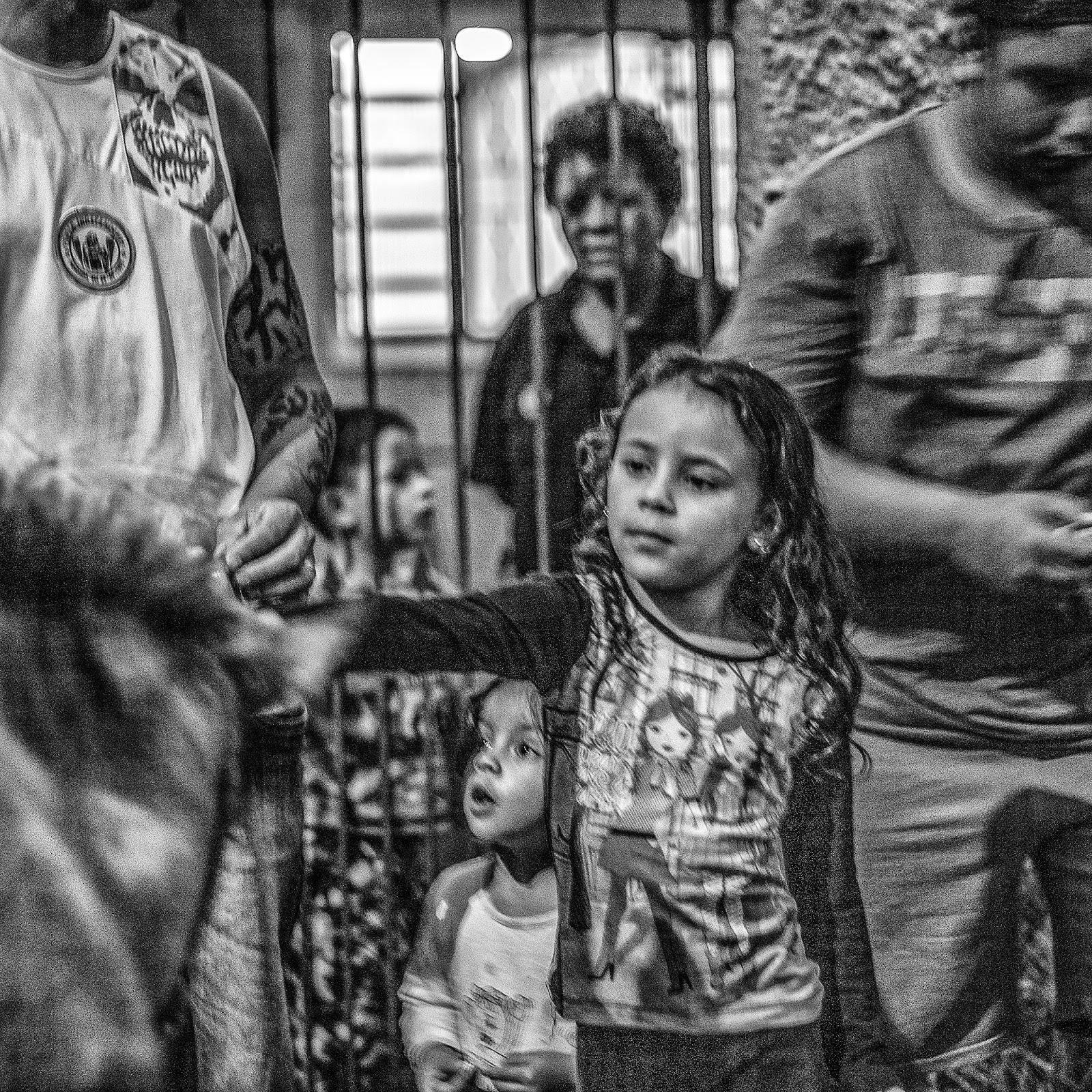
Year 2018 and sad testimony of a world crumbling around us. If I were writing poetry at the moment (and it may come, I suppose, at any moment), it would have to reach so deeply into the wretchedness of our times that I would need to learn to write in a way I have not yet been able to. So maybe, for now, will just stick to this little tidbit of the local, a project connected to years of sociological research and personal immersion in "popular" and "rurban" horse cultures , that is to become a sort of documentary photographic essay on children and horses on the periphery of a few southern Brazilian cities. If I am succesful, I will be able to capture moments of tenderness, moments of communication between horses and humans, the way the interaction with the beauty and gentleness and spirit of equines helps us to find what is best in ourselves, carving small and momentary paths out of the debris of the city and a hopelessness (apathy, lack or loss of direction, absence of viable blueprints for a better world, etc.) that is historically-produced and institutionally-sustained. That threatens to destroy us all.
("bringing words together") poesia, crônica, fotografia, tradução//poetry, stories, photography, translation ///// /// ©miriamadelman2020 Unauthorized reproduction of material from this blog is expressly prohibited
quinta-feira, 3 de maio de 2018
quarta-feira, 29 de novembro de 2017
pieces ( after Human Flow) working on this!.
i.
they
arrived in the village on foot, by the hundreds.
they
arrived unwanted, dragging a child or an elder,
a sack of
belongings. it was in fact a lovely place: green
mountains, little
black goats on the hillside, onions, potatoes
ready to
harvest, and a river too wild to cross, almost
dragging
them under, against the chain of hands
and
arms. it must have been autumn by then, padded
jackets
squirting clear water, weight for the crossing.
that was
after the bombings, but before the camps,
and before they saw the fire-colored horse, its
slow
circular
gallop, its sweaty flanks, its eye
toward
freedom
ii.
escape by water must be the hardest.
we take our walk along the coast, doing a shoot of
abandoned boats. that one belonged to a fisherman. can't you
see the pieces of net, the scales, the skeletal fish, dried
under tongues of sun? this is almost the tropics. wooden
boards losing their red, their green, but we find a ski
boat in white and acqua, in fading plastic drifting from
some other port, some high rise shoreline . no one would
come here by high sea, skimming the waves in absolute darkness,
fearing a storm or a mother birthing in a cabin with nothing
but elbow room, and one last gulp of fresh water.
and that makes part of the story: pirates centuries gone,
a coastguard expecting no surprises, a sleeping village
that could be awoken to plunge into the low tide, pull out
the
feverish, offer the hands of a midwife
iii
to return
to an abandoned city:
the women
scavenge the ruins,
then shoulder the desperate tasks
of washing the fluid-stained walls,
covering
what is left of windows,
sweeping,
stacking, or mending
the
anything that can be put back
together. a
lone cow walks
the streets, her bell ringing,
her udder full. war has been
the business of men, the work
of memory for somebody's
children.of memory for somebody's
iv.
three
Palestinian girls have gone to the beach.
there is in
each, some deep harbor of hope: to where
can the
boats carry them, each night on the edge
of desire,
where checkpoints and gruff soldiers
blur
into waves
and sunsets, or a midnight café where
music
churns out onto the drizzle of streets and
dancing? a tiger has gained his temporary
freedom, his non native savannah. today all rests
in the hands
of the men, yet they are bound to
to the
borders, the barring and the burning. to
imagine is
to excavate in depleted fields, to
unearth
all we have
done to destroy
ourselves.segunda-feira, 16 de outubro de 2017
historias de guerra/war stories
(wrote it, translated it, working on it...)
A história cotidiana da guerra se esfuma.
Há quem não escutou nem o uivo longínquo dos lobos
quando seu bosque virou toda fumaça e pele humana.
Há quem não sentiu a falta dos tímidos rapazes, os
arrastados
ou mesmo os brabos que se arrependeram quando passou-se
da palavra ao fato. Em certas cidades,
havia quem se dedicasse ao corriqueiro:
ao jogo de baralho na cantina do bairro, ou à visita costumeira
à costureira, pensando ainda no baile, ou nas filhas
debutantes.
Havia, como sempre, quem escondia o escasso alimento
assim como aqueles
que repartiam o último pão, ou colhiam
as maças ainda aninhadas
nos galhos, saindo pelos campos a
distribuir as magras fatias entre as crianças escondidas no
capim ao lado dos trilhos. Nunca saberemos exatamente
quantos:
os perseguidos escondidos no porão, ou na cava
numa noite rebelde, ou num coração refugiado na loucura.
Sempre contavam versões que mudavam: com o sol, a lua,
com a chuva que limpava um pouco do sangue,
dos restos humanos,
as cinzas. Os ossos ficam,
embranquecendo uns tempos sob um verão que sempre volta,
e nunca saberemos dos
nomes, das partidas, somente
que as lições mais urgentes nunca se aprendem. Mais fácil é
alimentar os pequenos
monstros, velar pelas últimas migalhas,
amarrar o pano na
boca das palavras, cultivar aos poucos
apenas uma
aleijada imaginação, que não consegue nem lembrar
nem esquecer.
The daily
underside of war slips away.
There were
those who heard nothing, not even the distant
howl of
wolves when their woods went up in smoke and skin
and those
who missed not even the shy boys, the ones who
were
dragged away, nor the rowdy who wanted to
flee when
word turned to act. In some villages
there were
those who held out in the commonplace:
the card
game at the tavern, the habitual visit to the
dressmaker, reminded of dance halls or debutant
daughters.
There were,
like there always are, those who stashed away
tidbits of
food, or who picked the last apples nestled in branches,
then
slipping away from the fields, handing the thin slices out
to the
children hiding in the grass near the train tracks.
We will
never know the exact numbers: those left
hidden
in attics
or wine cellars, or on some tumultuous
night
or in some
heart that fled into madness. The
stories they told
were
constantly changing: in the sunshine,
under the moon
or when the rain washed away some of the blood,
vestiges, ashes.
The bones however remained a bit longer,
slowly bleaching
in ever-returning summer. And the names
and departures
we cannot ascertain. We know only
that the
most urgent lessons are the ones never learned. Easier it is
to feed our
little ghouls from our hands, hover over the last of
the crumbs,
tie dirty rags around mouths full of words,
nurture slowly but surely a wretched imagination
unable to
remember, unable to forget.sábado, 23 de setembro de 2017
such is life
such
unsatisfactory men
hunched
behind shoulders and
soliloquy. how the
rain falling behind
them bores its pores into the
world. if
we could whisk them away
even for a
minute, some different tune
might be audible,
some suggestion of a new
way to paint
the walls or lay the bricks, a
nimbler
dance perhaps, and some way
to become
again.
domingo, 10 de setembro de 2017
Poema dos vinte anos - Benedito Costa Neto
Caminhávamos de mãos dadas até uma esquina
Quando vc me olhou triste, a dizer
Coisas estranhas sobre a liberdade
Olhei para o mar e vi cortinas de chuva no horizonte
Era fevereiro e tantas pessoas se divertiam
Não entendo bem metáforas
Tampouco vejo presságios nos voos dos pássaros
Passeávamos como um casal de dálmatas alegres
Lembrei da tapeçaria com o tema da caça ao cervo
Contávamos cães e cervos
Não queria olhar para trás: seria quer balizar
Algo não mensurável, o tempo
Baixei os olhos e temi a morte
Brincaria com os pêlos do seu braço se ninguém nos visse
De alto de um templo você me oferecia o mundo
E éramos como uma foto de revista, editada
Cena de filme de um ou outro cineasta engajado
E éramos como uma foto de revista, editada
Cena de filme de um ou outro cineasta engajado
Completamente underground para o resto
Num bar, homens jogavam cartas
Jamais invejei tanto o grito de “seis”
Uma mulher olha pra seu calção de linho branco
E para sua camiseta de listras azuis
Já não sinto mais aquele misto de compaixão
Ciúme, ironia
Porque
Caminhávamos de mãos dadas até uma esquina
Quando, sem jeito, você começou a questionar a liberdade
Com palavras estranhas
Vi seu corpo difuso num dark-room de São Francisco
Numa viagem a Madrid, a ler guias queer
E os azulejos brancos dos banhos públicos modernos
Onde as águas são a um só tempo
Mais e menos que disfemismos baratos
A procurar o amor nas praças, nuança mais negra de Eros
Andávamos juntos até uma esquina
Quando você me disse coisas tristes sobre a liberdade
Sob a imagem de um Heliogábalo
Emplumado num carro alegórico de 20 metros
A dançar, a girar
Como um demônio vermelho
Ambíguo por natureza e força
Num baile de máscaras aberto
Angélico nas formas femininas
Luciferino porque andrógino
Caminhávamos juntos até uma esquina
De mãos dadas até o fim
Porque eu vi dois rapazes a andar de bicicleta
E fiquei a admirá-los até que desaparecessem.
Poem for my twenty years
(translated by Miriam Adelman)
Hand in hand we strolled to the street corner
Where you found me with your sad
gaze, to
Pronounce strange words on freedom
And I looking to the sea found
curtains of rain on the horizon
It was February and so many
people were out having fun
I don't understand much about
metaphor
Nor do I find omen in the flight
of birds
We strolled along like a cheery
pair of dalmations
I remembered the tapestry with its deer-hunting
motif
How we counted dogs and deer
I had no desire to look backwards: which would
be a beacon to
Something incommensurable, time
itself
So I lowered my gaze, felt fear
of death
I would have caressed the hair
along your arm were no one to see us
From high atop the temple you
offered me the world
And we were like a magazine shot,
scene
Cut from a film of some committed
film director
From the unrecognized underground
There in the bar, men were playing cards
I never so envied that cry of "six!"
A woman stared at your white linen trousers
At your blue-striped tee shirt
Gone now my mixture of compassion
Jealousy, irony
Because
There we strolled hand in hand to the corner
Where clumsily you began to question freedom
With your strange words
I envisioned your body diffuse in a San Francisco darkroom
Or on a trip to Madrid, reading queer guidebooks
The white tiles of modern public bathrooms
Where waters flow in one sole tempo
More or less than cheap old dysphemisms
Searching for love in city squares, Eros in its darkest nuance
We strolled together to the street corner
Where you began sad words on freedom
Under the image of a plumed Elagabalus
Parading twenty meters high atop a float
Dancing, swiveling
Like a red demon
Ambiguous by nature and force
At a masquerade ball open to all
Ambiguous by nature and force
At a masquerade ball open to all
Angelical in feminine forms
Androgynously Lucifer-like
We strolled together to the street corner
Hand in hand till the end
We strolled together to the street corner
Hand in hand till the end
Where I saw two boys riding their
bicycles
And stayed to watch until they
disappeared.
quinta-feira, 4 de maio de 2017
Como ajudar as crianças em tempos de guerra
- Denise Duhamel
Mister Rogers
recomenda dizer às crianças americanas
que a tristeza faz
parte. Apresente então para elas o globo
em lugar do mapa
ordinário, para mostrar e dizer
quão longe realmente
fica o Oriente Médio. Enfatize que
assistir meteorologia
da TV Saudita não quer dizer
que se chega lá de
carro. Enfatize para elas o que
seu presidente lhes
garante: que toda vida é preciosa,
a de uma criança
iraquiana igual à do soldado americano.
Diga isto para seus
filhos, acreditando ou não
nas palavras
dele. Fale para as crianças que seus
pais
sejam civis ou soldados,
as amam, seja qual for
o chão que habitem. Considere
descrever para elas
a guerra como ela é,
mas se sua filha jogar Nintendo, não lhe sirva
sangue em lugar de
leite no cereal matinal. Se seu filho
andar numa gangue
perigosa, então deixe que ele
te explique a
guerra. Aos pequeninhos, sugira
que levem seus jogos
de química para a areia do parquinho.
Se você ensina arte,
explique eventos atuais
com bonecos de papel. Uma
corrente de homens de cartolina vermelha:
George Bush, Dick Cheney, Sadam Hussein, et
cetera.
Peça para os aluninhos
que amassem um dos bonecos,
que lhe deem o nome
Noriega. Que o joguem num copo de papel
que representa a
cadeia. Nesse momento pode fazer
perguntas
para que percebam o
quanto um boneco se parece
com o outro. Peça para cada criançinha
escolher um que seja
seu favorito.
É esse que devem
retalhar, os pedaços mais minúsculos
que suas tesourinhas permitam.
Talvez alguns
aluninhos se inquietem, se polvilhando uns
aos outros com os
pedaçinhos cor carmim. Permita isso:
confete, carnificina,
neve vermelha, bombas.
Versão: Miriam Adelman
quarta-feira, 3 de maio de 2017
How to Help Children Through Wartime
How to Help
Children Through Wartime
- Denise Duhamel
Mister
Rogers says to tell your American young
it's OK to
be sad. Present them a globe
rather than
a flat map to show-and-tell
how far
away the Middle East really is. Stress
that the TV
Saudi weather report
doesn´t
mean the country is within driving distance.
Stress
that their
U.S. president assures them that all life is precious,
an Iraqi
child's equal to that of an American soldier.
Tell your
children this, whether or not
you
yourself believe him. Tell children that
parents,
be they
civilian or soldier, love them regardless
of what
soil they're on. Consider letting
children know
what the
war is really like,
but if your
daughter has Nintendo, do not pour blood
instead of
milk on her Cheerios. If your son
is in a
dangerous gang, let him explain
war to you
instead. Encourage all elementary
schoolers
to take
their chemistry sets to the sandbox.
If you
teach art, explain current events
with paper
dolls. A strand of red construction
paper men:
George
Bush, Dick Cheney, Sadam Hussein, et cetera.
Have
students crumple up one doll and name him
Noriega.
They may throw him in a Dixie cup
that
represents a jail. Then you may ask questions
that lead
students to notice the resemblance
of one
paper man to the next. Have each of the
children
pick a doll
who represents their favorite.
Instruct
them to cut that man up into the teeniest pieces
their
safety paper scissors will permit.
Members of
the class may begin to get restless, to sprinkle
each other
with the crimson bits. Allow this:
confetti,
bloodshed, red snow, bombs.
Assinar:
Postagens (Atom)
Dois poemas curtos do livro mais recente de Mosab Abu Toha
Do livro FOREST OF NOISE. de Mosab Abu Toha versões: Miriam Adelman Aldeia Palestina. Na colina d...
-
Global Woman: Nannies, Maids and Sex Workers in the New Economy. Barbara Ehrenreich and Arlie Russell Hochschild, editors. New York: Metrop...
-
Do livro FOREST OF NOISE. de Mosab Abu Toha versões: Miriam Adelman Aldeia Palestina. Na colina d...
-
Você não veio ao mundo para ver os seus ossos embranquecerem nas águas brancas de um rio Bou-reg-reg nem para contemplar a sua som...