
quinta-feira, 25 de outubro de 2018


domingo, 21 de outubro de 2018
water
i would
wish you luck if i could.
if desire
were not in the picture,
in the wind.
if talk were cheap.
if the
pools of water reflected
nothing. thick veil it is that
pulls the rain over the
city, this one that you once
dreamed
of, this one in which
i almost
drowned. so thanks be there
to some
unbroken goddess that
we still got our day of sunshine, the
silver
respite of the road, our chariot
of
galloping ponies fit neither for tropics
nor northern woodlands. as we lay
in the
clearing i thought for a moment
we might
find some berries, share
the red juice dribble over drying leaves,
a return
amid the thick amber
dust, taking
perhaps the longest
path
homeward. now it is
this water
that sends me out
again into
the thickness, hands
and breath
moving counter to despair
seeking
short or connected acts of
survival, and
there is no lifeboat you can
take to
reach me, here on the brink of
this sea
that is our mother, her daughters
rising
higher than the tide
segunda-feira, 15 de outubro de 2018
Tales of one city (uma crônica em elaboração)
TALES OF ONE CITY (uma crônica em fase de elaboração)
Nem preciso dizer que a palavra 'feminismo' era anátema. Na época, porém, eu me dedicava à pesquisa que nesse tempo pertencia a meu projeto de doutorado. Era sobre 'relações de poder no casamento'. Assim, mesmo sem carro e sem conhecer bem a cidade, eu pegava ônibus para cima e para baixo, gravando entrevistas com mulheres de 'classe média' e 'classe trabalhadora', empregadas, profissionais, donas de casa, que davam depoimentos sobre o que era, para elas, ser mulher casada, com filhos pequenos, nos anos 90. Das muitas que eu lembro - e sobre as quais já escrevi - lembro de uma moradora de periferia que me recebeu na sua casa - uma casa de material, linda e super arrumadinha- cujo marido tinha oficina de mecânica, tipo 'fundo de quintal'. Ela me disse que seu marido a tinha proibido de trabalhar fora, mas ela, desejosa de uma atuação fora do âmbito doméstico, inventou então de fazer um trabalho voluntário 'com os pobres' ... se me lembro bem, ajudando outras mulheres a aprender a ler e escrever. Pois o que ela mais queria, mais ainda do que ter o 'dinheiro dela' (importante para tantas mulheres que falaram para mim das suas necessidades de autonomia financeira) era participar da vida pública e social. Ela que era uma mulher católica, e não tinha vínculo algum com a vida política organizada. Nessa época, vale acrescentar, eu ainda falava mais portuñol do que português, mas mesmo assim, arregacei às mangas e me joguei 'no campo', onde logo comecei a conhecer esse outro universo, que contrastava com o egoísmo e 'umbiguismo' que prevalecia no bairro de classe média em que a gente morava. Foi também nessa época que sofremos uma situação de abuso por parte da proprietária do prédio onde moráva
mos, bem nesse bairro de 'classe média típica curitibana' (notem bem as aspas, pois nas ciências humanas, sabemos que as generalizações são tanto necessárias quanto tristemente enganosas..) Essa experiência foi , para mim, uma marcante aprendizagem também, lição sobre algumas 'raízes do Brasil'... pois a proprietária e sua família (que incluía um marido bem tipo coronel que bebia muito e a quem ela detestava, embora como parceiros de negócios defendessem seus 'interesses' a unhas e dentes) vinham do interior, onde tinham sido fazendeiros; falavam dos empregados da fazenda com muita condescendência, e ao que tudo indicava, conosco, que morávamos no prédio que eles construíram para poder viver de rendas aqui na cidade, esperavam ter o mesmo tipo de relação bizarra. Bom, para encurtar a história, pelo menos por enquanto, vou contar que desatou-se um conflito por conta de um simples questionamento que lhes fizemos sobre ajuste de aluguel, que se traduziu em mudança completa comportamental dos srs: da atitude paternalista, para o assédio cotidiano (tipo de desligar a eletricidade quando estava no elevador com meus dois filhos pequenos, ou fazer uma macumba na porta da nossa casa..). As outras famílias moradoras do prédio também sofriam das arbitrariedades dos proprietários, mas quando falávamos com elas para obter um pouco de apoio (moral, antes de mais nada), diziam que a pesar de entenderem perfeitamente, 'não queriam se meter'. Daí outra vez, a gringa que eu era, que eu sou, de certa maneira, se chocou, pois nunca na minha vida tinha vivenciado essa absoluta falta de solidariedade vindo de outras pessoas adultas e que se sabiam diante de uma situação de injustiça... Bem, embora sendo uma triste introdução a uma 'cultura local' que não consegui esquecer, eu, como a pessoa otimista que sou por natureza, logo 'esqueci': a gente se mudou, e eu embora detectasse essa mentalidade em outros lugares e outros 'personagens', fui dando mais importância a outras coisas- ao nosso trabalho na UFPR, aos meus filhos que cresciam e se tornavam excelentes pessoas, aos e às jovens que eram meus alunos e alunas na universidade, cada vez mais questionadores, abertos para o mundo, críticos de discursos e práticas antigas , esses que sustentam até hoje ainda terríveis desigualdades de classe, raça e gênero e poderes simbólicos violentos e podres. Botamos nossos corações e mentes numa luta que estava nos levando para algum lado, permitindo a visão de um mundo solidário, e talvez, com sorte, ainda a sobrevivência de um planeta tão destruído e depredado pelo egoísmo e cobiça humanos....
mos, bem nesse bairro de 'classe média típica curitibana' (notem bem as aspas, pois nas ciências humanas, sabemos que as generalizações são tanto necessárias quanto tristemente enganosas..) Essa experiência foi , para mim, uma marcante aprendizagem também, lição sobre algumas 'raízes do Brasil'... pois a proprietária e sua família (que incluía um marido bem tipo coronel que bebia muito e a quem ela detestava, embora como parceiros de negócios defendessem seus 'interesses' a unhas e dentes) vinham do interior, onde tinham sido fazendeiros; falavam dos empregados da fazenda com muita condescendência, e ao que tudo indicava, conosco, que morávamos no prédio que eles construíram para poder viver de rendas aqui na cidade, esperavam ter o mesmo tipo de relação bizarra. Bom, para encurtar a história, pelo menos por enquanto, vou contar que desatou-se um conflito por conta de um simples questionamento que lhes fizemos sobre ajuste de aluguel, que se traduziu em mudança completa comportamental dos srs: da atitude paternalista, para o assédio cotidiano (tipo de desligar a eletricidade quando estava no elevador com meus dois filhos pequenos, ou fazer uma macumba na porta da nossa casa..). As outras famílias moradoras do prédio também sofriam das arbitrariedades dos proprietários, mas quando falávamos com elas para obter um pouco de apoio (moral, antes de mais nada), diziam que a pesar de entenderem perfeitamente, 'não queriam se meter'. Daí outra vez, a gringa que eu era, que eu sou, de certa maneira, se chocou, pois nunca na minha vida tinha vivenciado essa absoluta falta de solidariedade vindo de outras pessoas adultas e que se sabiam diante de uma situação de injustiça... Bem, embora sendo uma triste introdução a uma 'cultura local' que não consegui esquecer, eu, como a pessoa otimista que sou por natureza, logo 'esqueci': a gente se mudou, e eu embora detectasse essa mentalidade em outros lugares e outros 'personagens', fui dando mais importância a outras coisas- ao nosso trabalho na UFPR, aos meus filhos que cresciam e se tornavam excelentes pessoas, aos e às jovens que eram meus alunos e alunas na universidade, cada vez mais questionadores, abertos para o mundo, críticos de discursos e práticas antigas , esses que sustentam até hoje ainda terríveis desigualdades de classe, raça e gênero e poderes simbólicos violentos e podres. Botamos nossos corações e mentes numa luta que estava nos levando para algum lado, permitindo a visão de um mundo solidário, e talvez, com sorte, ainda a sobrevivência de um planeta tão destruído e depredado pelo egoísmo e cobiça humanos....
PS Esta história nem tento finalizar ela hoje. Prefiro deixá-la em aberto, pois há tanta coisa em jogo agora, neste momento e conjuntura. Será que terei que retomar o fio, em tons absolutamente trágicos? Será que ainda há pessoas que 'dormiram no ponto' e podem acordar?


terça-feira, 24 de julho de 2018
A Fence/ Uma Cerca by Carl Sandburg
Illinois poet Carl Sandburg 1878-1967
A Fence
Now the stone house on the lake front is finished and the workmen are beginning
the fence.
The palings are made of iron bars with steel points that can stab the life out of any man
who falls on them.
As a fence, it is a masterpiece, and will shut off the rabble and all vagabonds and hungry men
and all wandering children looking for a place to play.
Passing through the bars and over the steel points will go nothing except Death and the Rain and
tomorrow.
A Cerca
Agora que terminaram a casa de pedra à beira do lago, os pedreiros começam a cerca.
As estacas são barras de ferro, com pontas de aço que esvaíram a vida de qualquer homem que cai sobre elas.
Como cerca, é obra prima, fechando passagem à plebe, a todos os vagabundos e famintos, a todos os filhos errantes que procuram um lugar para brincar.
Passar entre as barras, ou por cima das pontas de aço, à nada levara, senão à Morte, à Chuva, ao Amanhã
tradução: Miriam Adelman

segunda-feira, 23 de julho de 2018
Konstantinos/ Arrival Stories.
I get to Syntagma Square at four in the morning, after more than twelve hours on the road from Paris. The sky is dark and the square, enveloped in a lush yellow light. The luxury hotel on one side and the National Palace on another, perpendicular block stand in contrast to the shabbiness of the streets that were my first view of the city on the night ride from the airport. Just as I am about to begin my search for a cab, I spot a old, lone dog, a husky type, lying in the middle of the wide sidewalk across the road from the palace. He lifts its head up, enough for me to look into its cloudy yet attentive eyes, and there I go: despite the hour and degree of doubt about what I should be doing, I set about the task of light metering, intent - even after the many hours of heat, travel and grumpy people at the Belgrade airport where I caught my connecting flight - on not missing the chance to get this lone heir of nordic sled dogs resting in the almost breezeless heat of an Athens square.
I am taking too long to get my settings adjusted, but the atmosphere relaxes me: there is a Latin American family that has also just gotten off the bus, and some English-speaking tourists , and as I locate the taxi stop just at the near corner of the square, am inclined to believe the words of the hotel staff who have reassured me that I am within easy and safe walking distance from my cheap rented room. So I can take my own sweet time...
It is then that a woman appears - short, middle aged, with dark,cropped hair - carrying several bags, including a white plastic one that is sagging under the weight of its contents. She stops right next to the dog, who lifts his whitening muzzle again, without getting up, his ears anxiously pricked as she begins to pull out the goodies/ pieces of beef, chicken hearts, an endless stream of what appear to be uncooked scraps. She pays no attention to me at first, until I attempt communication, expecting - and soon confirming - that we have no common linguistic denominator. Yet she does manage to tell me that this dog, a "Malmut" - not a Husky, but like one, she seems to be saying - is named Konstantinos. "Konstantinos", she repeats emphatically, pointing to the contented dog who continues to enjoy his late night feast. "Here", she indicates with a sweeping gesture when I ask about his home, his family; "everyone", she says, using the English word and raising her outstretched arms to make it clear she refers to the entire population of the Square's regulars. "Love, I love!" she repeats, pounding on her chest, right over her heart. I ask if I can take their picture, and she willingly positions herself alongside here beloved friend; with gestures I am able to manage a bit of direction - to move closer to Konstantinos, look upward towards me - as she also gently directs him, his alert but dilated pupils, his kind face, this dog who is living out his last days on the city square, and is cared for. Not knowing whether I will be able to return over the course of the ensuing days, which promise to be hectic and hot, and to take me who-knows-where, I thank her as emphatically as I can. She smiles and then busies herself again with Konstantinos, pulling the scraps from the white plastic bag which lies on the ground a few steps away, and is now almost empty.

quinta-feira, 3 de maio de 2018
First (belated!) post of 2018
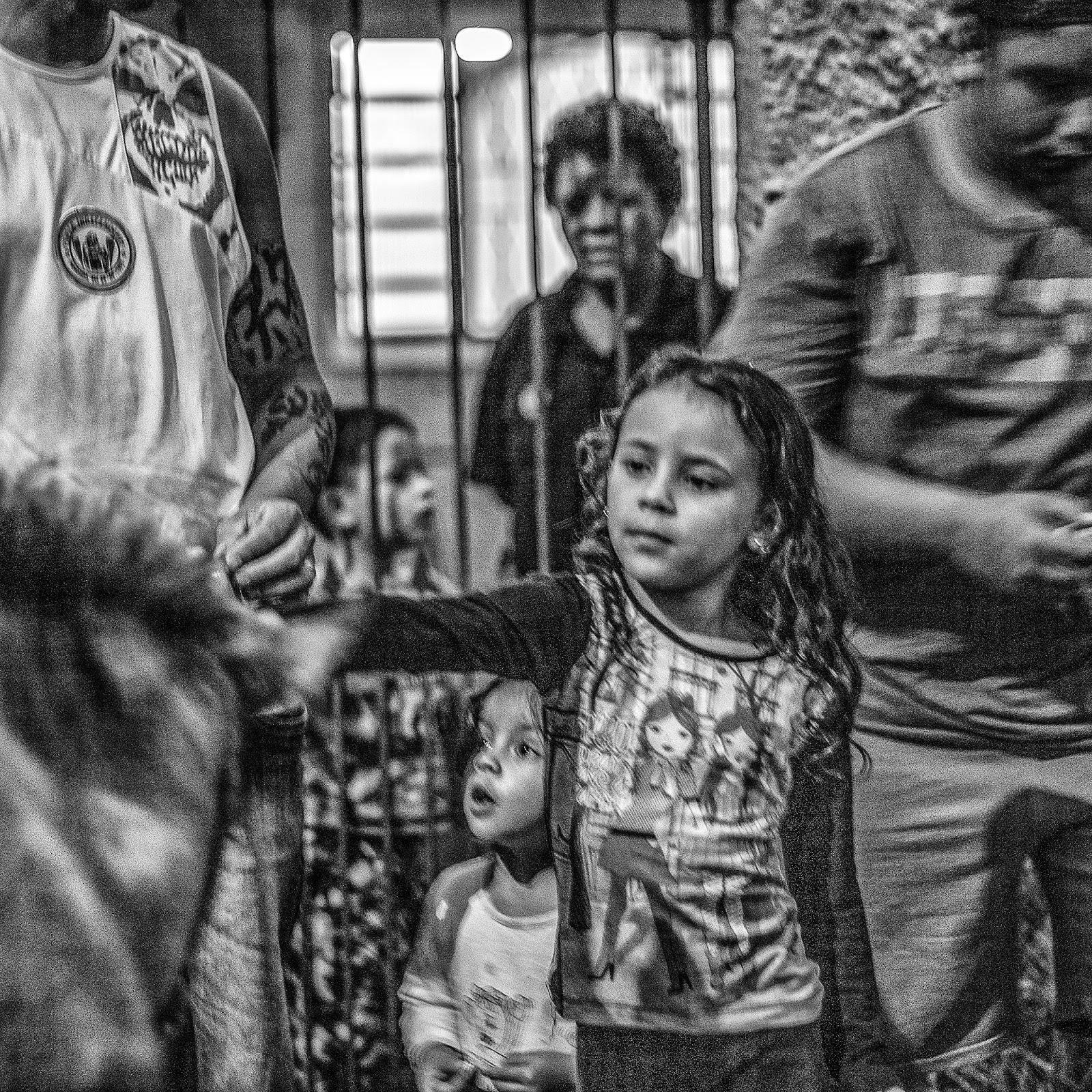
Year 2018 and sad testimony of a world crumbling around us. If I were writing poetry at the moment (and it may come, I suppose, at any moment), it would have to reach so deeply into the wretchedness of our times that I would need to learn to write in a way I have not yet been able to. So maybe, for now, will just stick to this little tidbit of the local, a project connected to years of sociological research and personal immersion in "popular" and "rurban" horse cultures , that is to become a sort of documentary photographic essay on children and horses on the periphery of a few southern Brazilian cities. If I am succesful, I will be able to capture moments of tenderness, moments of communication between horses and humans, the way the interaction with the beauty and gentleness and spirit of equines helps us to find what is best in ourselves, carving small and momentary paths out of the debris of the city and a hopelessness (apathy, lack or loss of direction, absence of viable blueprints for a better world, etc.) that is historically-produced and institutionally-sustained. That threatens to destroy us all.



quarta-feira, 29 de novembro de 2017
pieces ( after Human Flow) working on this!.
i.
they
arrived in the village on foot, by the hundreds.
they
arrived unwanted, dragging a child or an elder,
a sack of
belongings. it was in fact a lovely place: green
mountains, little
black goats on the hillside, onions, potatoes
ready to
harvest, and a river too wild to cross, almost
dragging
them under, against the chain of hands
and
arms. it must have been autumn by then, padded
jackets
squirting clear water, weight for the crossing.
that was
after the bombings, but before the camps,
and before they saw the fire-colored horse, its
slow
circular
gallop, its sweaty flanks, its eye
toward
freedom
ii.
escape by water must be the hardest.
we take our walk along the coast, doing a shoot of
abandoned boats. that one belonged to a fisherman. can't you
see the pieces of net, the scales, the skeletal fish, dried
under tongues of sun? this is almost the tropics. wooden
boards losing their red, their green, but we find a ski
boat in white and acqua, in fading plastic drifting from
some other port, some high rise shoreline . no one would
come here by high sea, skimming the waves in absolute darkness,
come here by high sea, skimming the waves in absolute darkness,
fearing a storm or a mother birthing in a cabin with nothing
but elbow room, and one last gulp of fresh water.
but elbow room, and one last gulp of fresh water.
and that makes part of the story: pirates centuries gone,
a coastguard expecting no surprises, a sleeping village
that could be awoken to plunge into the low tide, pull out
the
feverish, offer the hands of a midwife
iii
to return
to an abandoned city:
the women
scavenge the ruins,
then shoulder the desperate tasks
of washing the fluid-stained walls,
covering
what is left of windows,
sweeping,
stacking, or mending
the
anything that can be put back
together. a
lone cow walks
the streets, her bell ringing,
her udder full. war has been
the business of men, the work
of memory for somebody's
children.of memory for somebody's
iv.
three
Palestinian girls have gone to the beach.
there is in
each, some deep harbor of hope: to where
can the
boats carry them, each night on the edge
of desire,
where checkpoints and gruff soldiers
blur
into waves
and sunsets, or a midnight café where
music
churns out onto the drizzle of streets and
dancing? a tiger has gained his temporary
freedom, his non native savannah. today all rests
in the hands
of the men, yet they are bound to
to the
borders, the barring and the burning. to
imagine is
to excavate in depleted fields, to
unearth
all we have
done to destroy
ourselves.
Assinar:
Postagens (Atom)
-
Global Woman: Nannies, Maids and Sex Workers in the New Economy. Barbara Ehrenreich and Arlie Russell Hochschild, editors. New York: Metrop...
-
Do livro FOREST OF NOISE. de Mosab Abu Toha versões: Miriam Adelman Aldeia Palestina. Na colina d...
-
 Você não veio ao mundo para ver os seus ossos embranquecerem nas águas brancas de um rio Bou-reg-reg nem para contemplar a sua som...